
Hair fall is a common concern that can affect both men and women. Losing some hair every day is normal, but excessive or persistent shedding may indicate an underlying issue. Common causes of hair fall include stress, nutritional deficiencies, hormonal changes, hereditary factors, thyroid problems, scalp conditions, certain medications, illness, and excessive hairstyling.
Finding the cause of hair loss is important because treatment depends on the underlying condition. If you are experiencing persistent or unexplained hair fall, consulting a dermatologist can help identify the cause and determine an appropriate treatment plan.
Quick Answer: What Causes Hair Fall?
Hair fall can happen for many reasons, including genetics, stress, nutritional deficiencies, hormonal changes, thyroid disorders, illness, scalp conditions, medications, and excessive hair styling.
Temporary hair shedding may occur after stress, fever, illness, or major physical changes. In other cases, gradual thinning may be related to hereditary hair loss.
If hair fall is sudden, excessive, persistent, or associated with bald patches or scalp symptoms, a dermatologist should evaluate the condition.
What Is Hair Fall?
Hair naturally goes through different stages of growth, rest, and shedding. It is normal to lose some hair as part of this natural cycle.
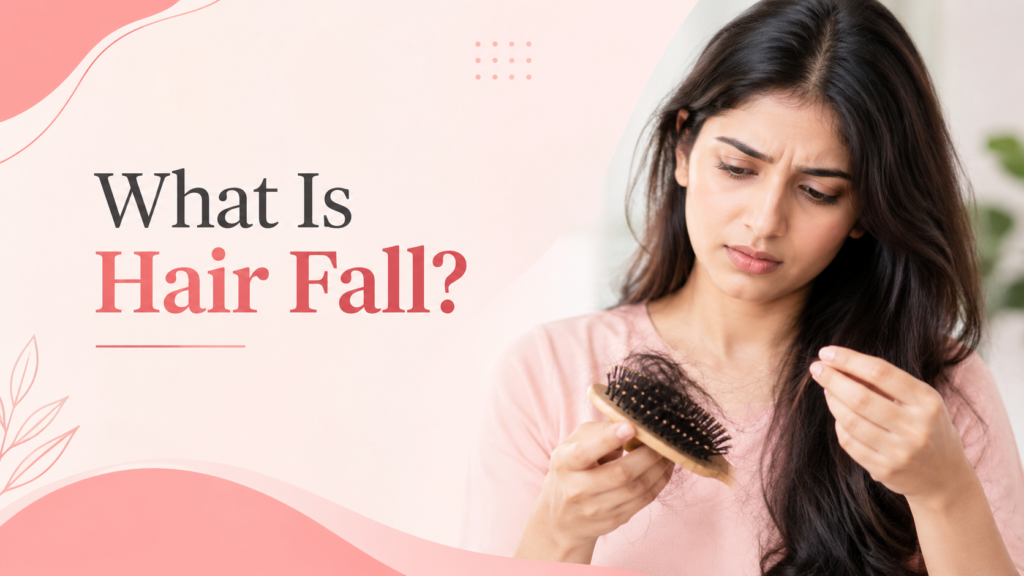
However, excessive shedding, noticeable thinning, widening of the hair part, a receding hairline, or sudden bald patches may indicate a hair-loss condition.
Hair fall can be temporary or long-lasting. The pattern and duration of hair loss can provide important clues about its underlying cause.
Common Causes of Hair Fall
1. Stress
Physical or emotional stress can affect the normal hair-growth cycle. Significant stress may cause more hairs to enter the shedding phase, resulting in increased hair fall.
This type of shedding may occur weeks or months after the triggering event and can improve when the underlying cause is addressed.
2. Nutritional Deficiencies
The body requires adequate nutrients to support healthy hair growth. Deficiencies in nutrients such as iron, vitamin B12, vitamin D, protein, and other nutrients may contribute to hair problems in some people.
However, supplements should not be taken routinely without identifying a deficiency. A doctor may recommend appropriate tests when a nutritional problem is suspected.
3. Hereditary Hair Loss
Genetics can play an important role in hair thinning.
Androgenetic alopecia, commonly called pattern hair loss, can affect both men and women. Men may notice a receding hairline or thinning around the crown, while women may experience gradual thinning over the top of the scalp.
Early evaluation can help identify pattern hair loss and discuss available treatment options.
4. Hormonal Changes
Hormonal changes can influence the hair-growth cycle.
Hair shedding may occur during or after pregnancy, around menopause, or in association with certain hormonal conditions. Conditions such as PCOS may also be associated with hair thinning in some women.
If hair loss occurs together with irregular periods, acne, unwanted facial hair, or other hormonal symptoms, medical evaluation may be appropriate.
5. Thyroid Problems
Both an underactive and overactive thyroid can sometimes be associated with hair changes or increased shedding.
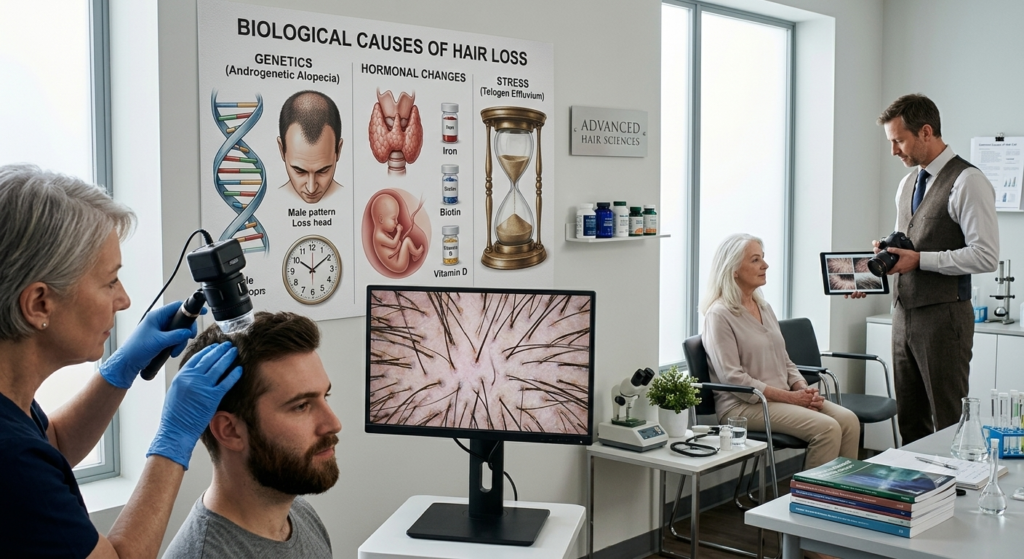
If hair loss occurs along with symptoms such as unexplained weight changes, fatigue, changes in heart rate, or temperature sensitivity, a doctor may consider thyroid evaluation.
6. Illness, Fever, or Surgery
Hair shedding can sometimes increase after significant physical stress, such as:
- High fever
- Severe infection
- Major illness
- Surgery
- Significant weight loss
In these situations, increased shedding may be temporary. Hair growth often depends on recovery from the underlying trigger.
7. Scalp Conditions
A healthy scalp provides an important environment for normal hair growth. Conditions affecting the scalp can contribute to hair loss or breakage.
Examples include:
- Seborrheic dermatitis
- Psoriasis
- Fungal scalp infections
- Inflammatory scalp conditions
Scalp itching, redness, scaling, pain, or persistent dandruff along with hair loss should be evaluated by a dermatologist.
8. Excessive Hairstyling and Chemical Treatments
Repeated use of heat, chemical treatments, bleaching, coloring, or tight hairstyles can damage the hair shaft.
Constant pulling from tight hairstyles may also contribute to traction-related hair loss.
Using gentler hair-care practices and avoiding excessive tension can help reduce preventable hair damage.
9. Certain Medications
Some medications can contribute to hair shedding as a side effect.
If you suspect that a medication is causing hair loss, speak with the prescribing doctor or dermatologist. Do not stop a prescribed medicine on your own.
10. Autoimmune and Other Medical Conditions
Some medical conditions can cause sudden or patchy hair loss. For example, alopecia areata can cause clearly defined patches of hair loss.
Other inflammatory conditions can affect hair follicles and, in some cases, cause permanent damage.
Sudden bald patches or rapidly progressing hair loss should be evaluated promptly.
When Should You See a Dermatologist for Hair Fall?
Consider consulting a dermatologist if you notice:
- Sudden or rapid hair loss
- Persistent excessive shedding
- Noticeable thinning
- A widening hair part
- Receding hairline
- Bald patches
- Eyebrow or eyelash loss
- Scalp itching, scaling, redness, or pain
- Hair loss associated with other unexplained symptoms
Early evaluation can help identify the underlying cause and avoid unnecessary treatments.
What Are the Treatment Options for Hair Fall?
There is no single treatment that works for every type of hair loss. The appropriate treatment depends on the cause, type, severity, duration, and overall health of the patient.
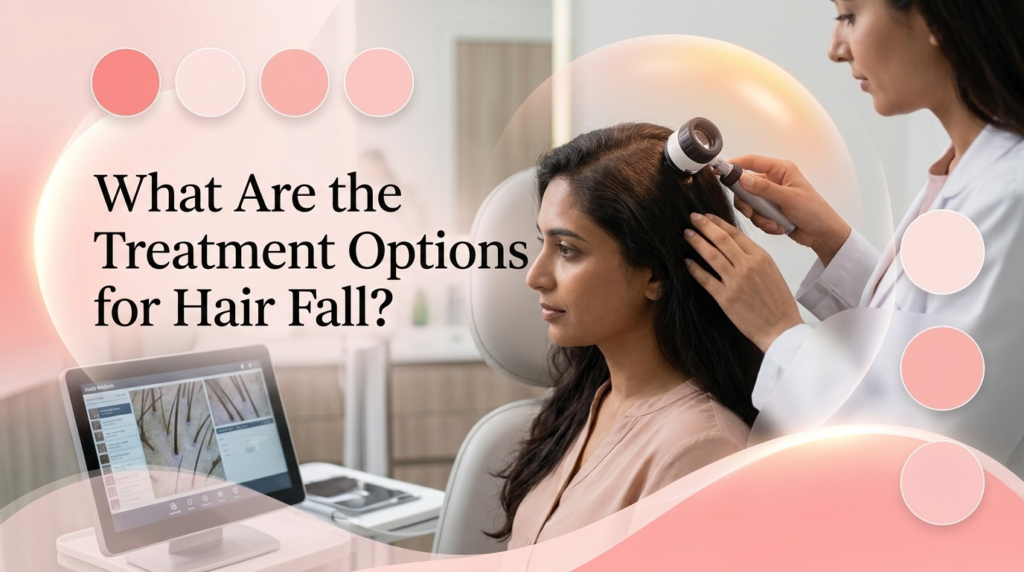
Treatment may involve:
- Correcting an identified nutritional deficiency
- Managing an underlying medical or hormonal condition
- Appropriate medications for certain types of hair loss
- Treating scalp infections or inflammatory scalp conditions
- Improving hair-care practices
- Hair-growth treatments for selected patients
- Dermatological procedures in appropriate cases
A dermatologist can determine which approach is suitable after evaluating the condition.
How Can You Reduce Hair Fall?
Some everyday habits may help protect the hair and scalp:
- Eat a balanced diet with adequate protein and nutrients.
- Avoid crash diets and extreme calorie restriction.
- Handle wet hair gently.
- Avoid unnecessarily tight hairstyles.
- Limit excessive heat styling.
- Avoid repeated chemical treatments when possible.
- Treat persistent scalp problems appropriately.
- Manage stress and maintain a healthy sleep routine.
- Avoid taking supplements without identifying a need for them.
These measures cannot prevent every type of hair loss, particularly hereditary or medical conditions, but they can help reduce avoidable hair damage.
Best Hair Dermatologist in Delhi: When Should You Consider a Consultation?
If you are searching for a Best Hair Dermatologist in Delhi, it is important to focus on identifying the cause of your hair loss rather than choosing treatment based only on advertisements or general recommendations.
A dermatologist can assess your scalp and hair-loss pattern, review relevant medical and lifestyle factors, and determine whether additional investigations are needed.
At Svastam Wellness Clinic, a dermatology consultation with Dr. Neeharika Goyal, Consultant Dermatologist, can help evaluate concerns related to hair fall, hair thinning, scalp conditions, and other dermatological problems.
The appropriate treatment depends on the individual diagnosis and should be decided after a professional evaluation.
Frequently Asked Questions
Is some hair fall normal?
Yes. Hair naturally sheds as part of its growth cycle. However, sudden, excessive, or persistent shedding may require evaluation.
What is the most common cause of hair fall?
There is no single cause for everyone. Hereditary hair loss, temporary shedding after stress or illness, hormonal changes, nutritional problems, and scalp conditions are among the possible causes.
Can stress cause hair loss?
Yes. Significant physical or emotional stress can trigger increased hair shedding in some people.
Which vitamin deficiency causes hair fall?
Several nutritional deficiencies may be associated with hair problems, but hair loss should not automatically be attributed to a vitamin deficiency. Testing may be appropriate when a deficiency is suspected.
Can thyroid problems cause hair loss?
Yes. Thyroid disorders can sometimes cause increased hair shedding or changes in hair texture.
Can hair grow back after excessive hair fall?
It depends on the cause. Some forms of temporary hair shedding can improve after the underlying trigger is addressed, while other conditions may require ongoing treatment.
When should I see a dermatologist for hair loss?
You should consider consultation if hair loss is sudden, persistent, rapidly progressing, associated with bald patches, or accompanied by scalp symptoms.
What is the best treatment for hair fall?
The best treatment depends on the underlying cause. A dermatologist can evaluate the condition and recommend an appropriate treatment plan.
Final Takeaway
Common causes of hair fall range from temporary stress and illness to nutritional deficiencies, hormonal changes, hereditary factors, scalp conditions, and medical disorders.
Because different causes require different approaches, identifying the underlying problem is an important first step. If you are experiencing persistent or unexplained hair loss, consulting a Best Hair Dermatologist in Delhi can help you understand the cause and explore appropriate treatment options.